

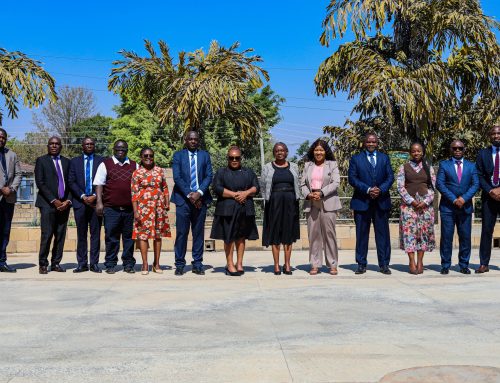
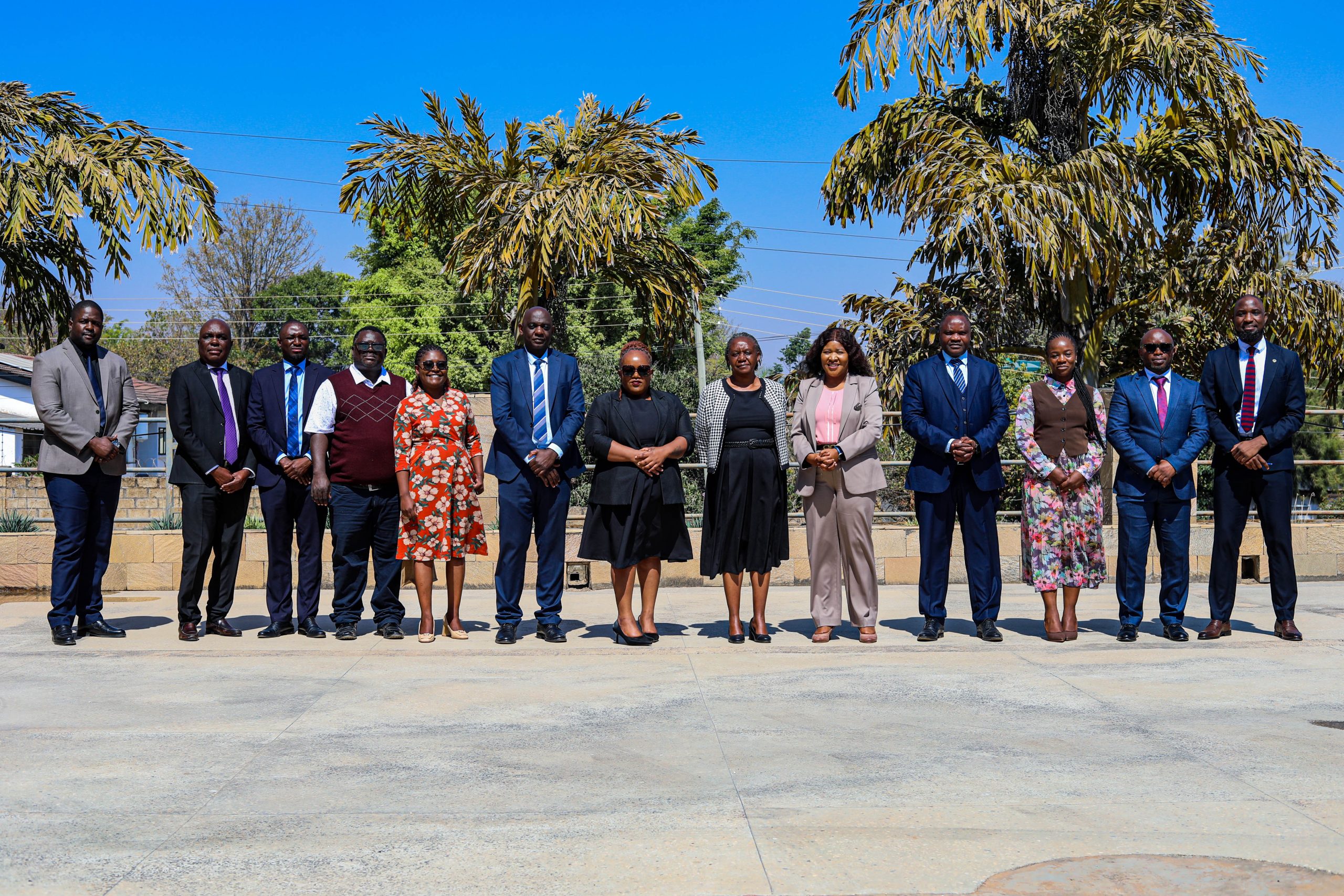
As part of the ongoing bilateral engagement between the Water Resources Management Authority (WARMA) and the China Institute of Water Resources and Hydropower Research (IWHR), the IWHR delegation conducted field visits on Tuesday, 9th December 2025, to gain firsthand insight into Zambia’s approaches to water resources management and infrastructure operations.
The programme included groundwater monitoring at Mount Makulu in Chilanga, surface water gauging at the Kasaka monitoring station on the Kafue River, a technical tour of the Ilonda Water Treatment Plant, and a visit to the Kafue Gorge Lower Hydropower Facility.
The visits provided a platform for technical exchange, allowing both institutions to share experiences and perspectives on groundwater and surface water management, water supply systems, and hydropower operations.
The engagements highlighted Zambia’s ongoing investments and operational practices, while identifying opportunities to enhance existing systems through scientific collaboration, technological innovation, and joint research.
The sites illustrate how WARMA’s work in planning, allocating, monitoring, and regulating water resources ensures efficient and sustainable use. Through permitting, data-driven management, and strategic allocation, WARMA supports balanced water provision for agriculture, food security, hydropower and energy generation, industrial use, and domestic supply.
This integrated approach enables informed decision-making, ensuring that Zambia’s water resources contribute to national development while remaining resilient to climate variability.
These field engagements are part of the Memorandum of Understanding (MoU) between WARMA and IWHR. The MoU strengthens knowledge exchange, technical cooperation, and capacity development, further enhancing Zambia’s data-driven water resources management, climate resilience, and integrated planning.
This initiative forms part of WARMA’s broader efforts to ensure that water resources across the country are utilized sustainably and efficiently, benefiting the nation amid climate challenges.
The engagements also provide practical insights into how collaborative research and innovation can strengthen Zambia’s water security and support informed planning for citizens, businesses, and critical national infrastructure.

Leave A Comment