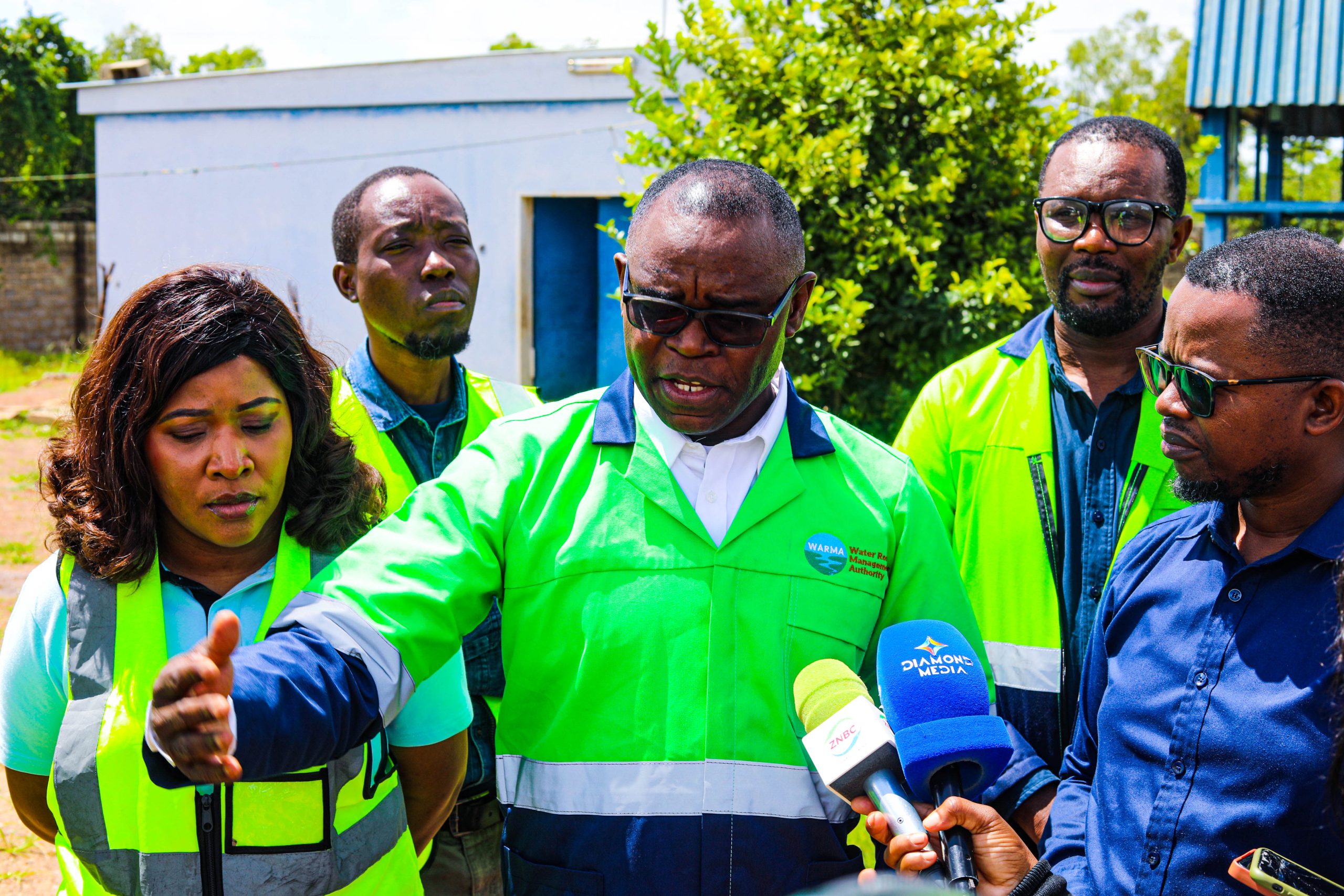
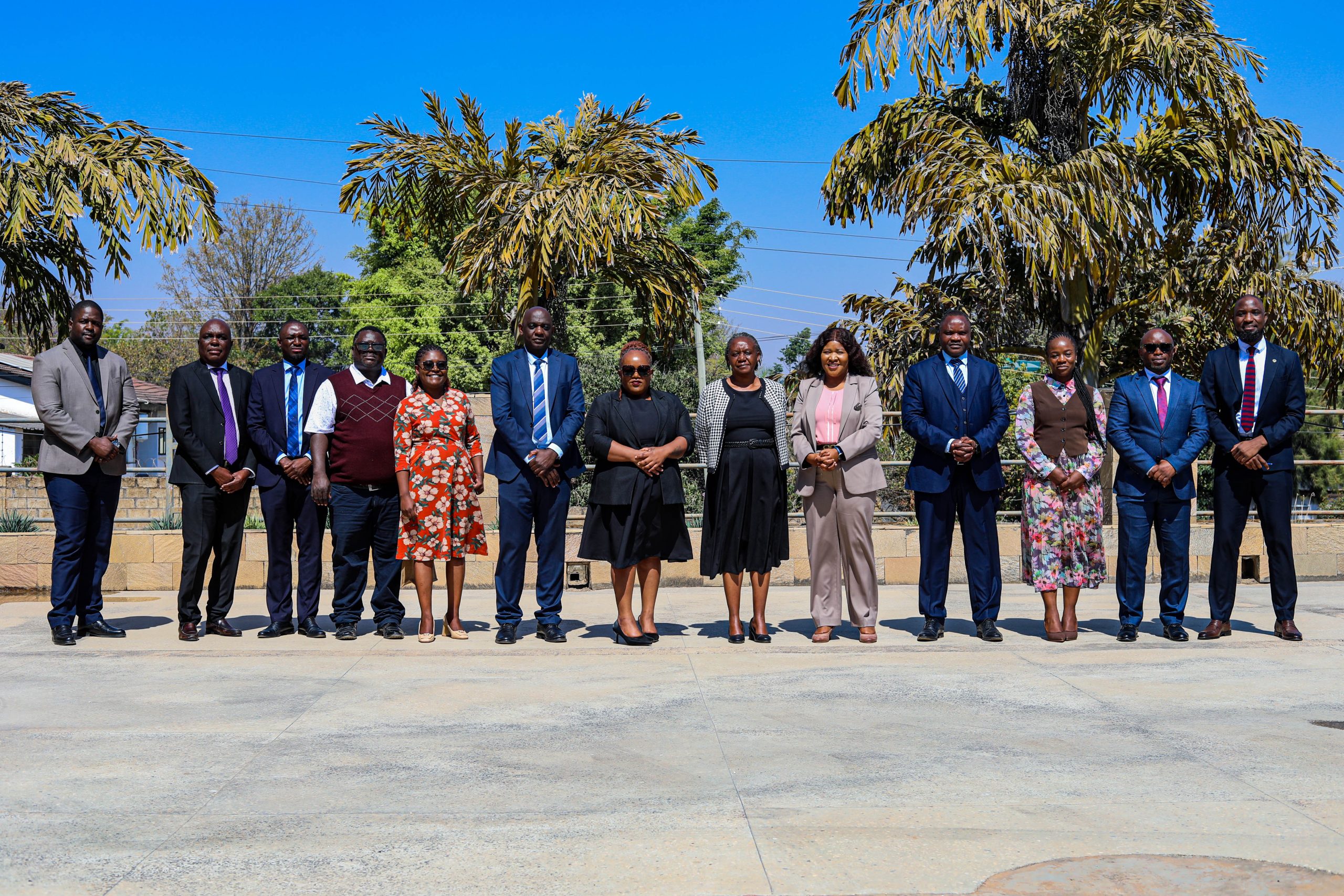
The Water Resources Management Authority (WARMA) Board of Directors today conducted a site visit to the Authority’s Regional Water Quality Laboratory construction site and the Shaft 5 Wellfield in Lusaka, as part of its oversight mandate and familiarization.
The visit was led by Board Chairperson Dr. John Eudes Lengwe Kunda, accompanied by Board members, management, and staff.
The Board commenced the visit at the Regional Water Quality Laboratory, being constructed under the Strengthening Climate Resilience of Agricultural Livelihoods in Agro-ecological Regions I and II (SCRALA) Project, funded by the Green Climate Fund (GCF) with technical support from UNDP.
Briefing the Board, Acting Director General Mrs. Misozi Ngulube-Lumpa revealed that construction of the laboratory is approximately 78 percent complete, with handover anticipated in October 2026.
She noted that while current funding covers construction, it does not include laboratory equipment and analytical instruments essential for full operationalization.
Mrs. Lumpa appealed to the Board for support in mobilizing resources to equip the facility upon completion.
Speaking on behalf of the Board, Dr. Kunda recognized the importance of ensuring the laboratory becomes fully operational, emphasizing that it is a strategic investment aimed at enhancing WARMA’s capacity to monitor water quality, generate reliable scientific data, and support evidence-based decision-making for climate-resilient water and agricultural management.
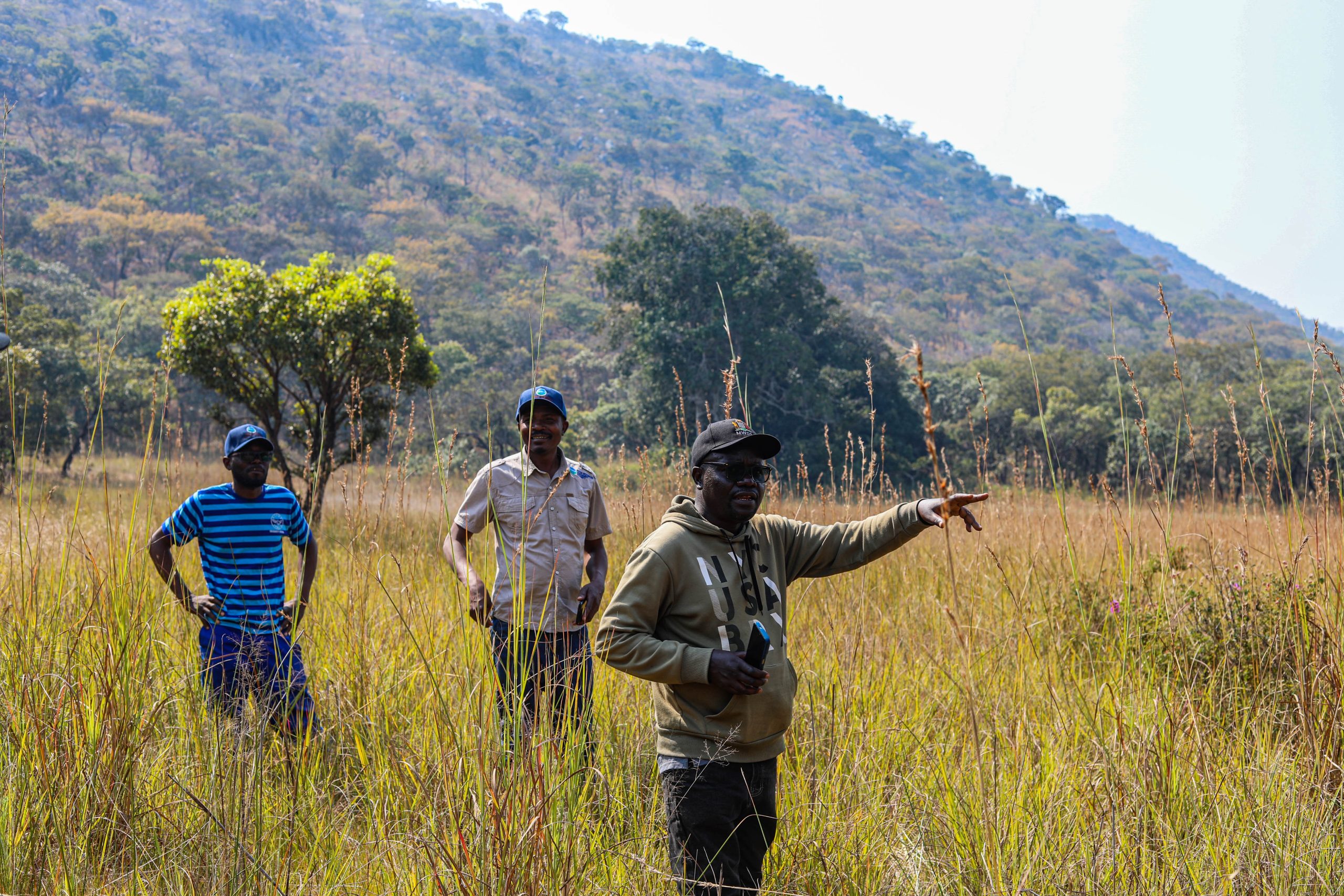
The visit then proceeded to the Shaft 5 Wellfield, a critical groundwater source supplying approximately 22 percent of Lusaka’s municipal water.
The Acting Director General revealed that the wellfield is increasingly under pressure due to surrounding residential development and other human activities.
To safeguard this vital resource, WARMA has mapped and delineated the wellfield, establishing clear restrictions on land use and activities to prevent contamination and protect long-term water security.
Dr. Kunda called on communities around Shaft 5 to work closely with WARMA in protecting the wellfield by avoiding encroachments, preventing indiscriminate dumping of waste, and ensuring that soakaways, pit latrines, and other structures adhere to statutory regulations.
He emphasized that the wellfield is critical to meeting the water needs of Lusaka and surrounding areas, and that community cooperation is essential for its sustainable management.
The Board Chairperson also underscored the importance of collaboration between the Board, management, and staff, noting that site inspections provide a clear understanding of operational realities and emerging challenges.

Leave A Comment