
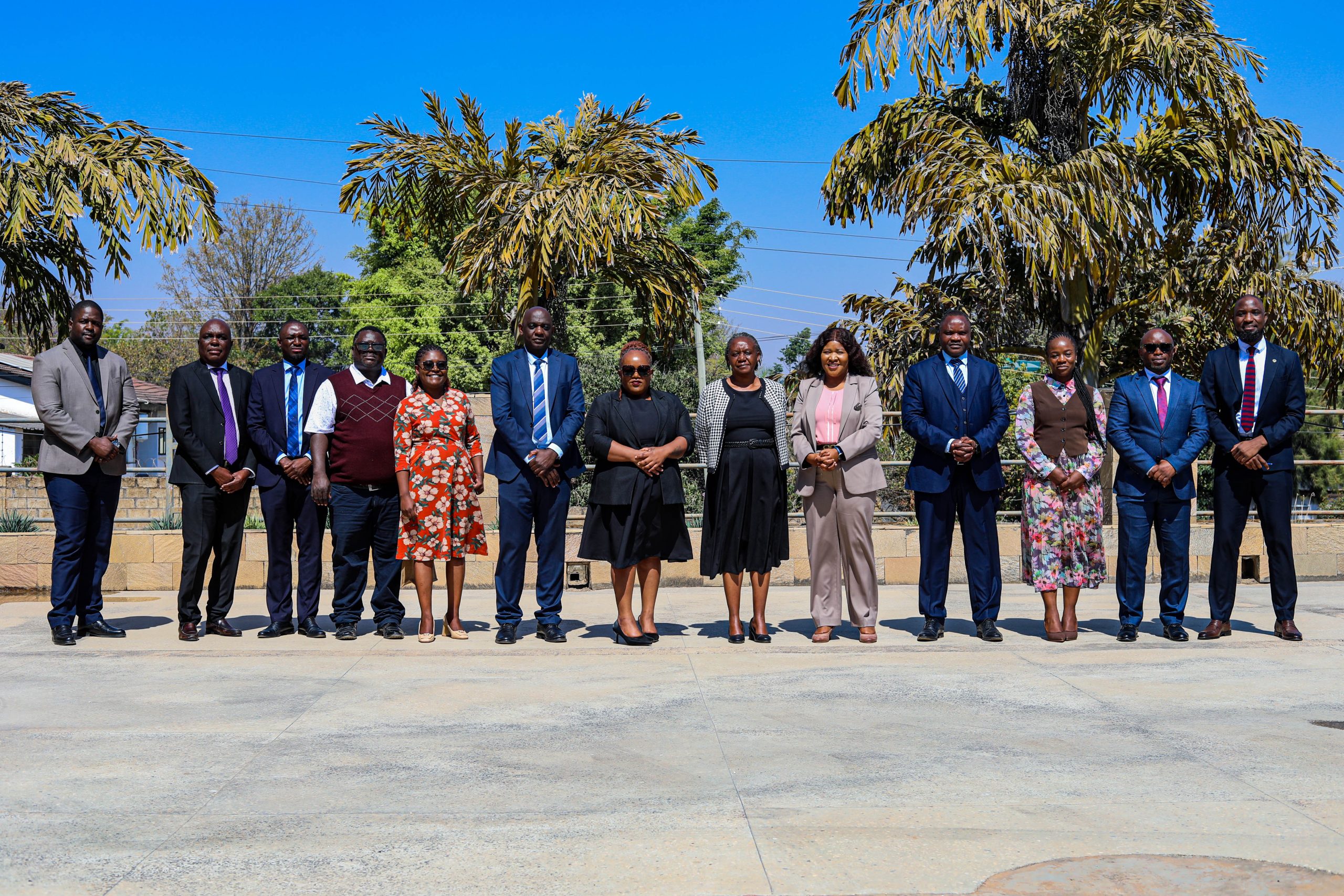
The Water Resources Management Authority (WARMA), in partnership with the German Development Cooperation (GIZ) under the AWARE 2.0 project, has concluded a high-level technical study visit to Finland aimed at transforming water governance and mitigating resource-based disputes within Zambia’s critical catchments.
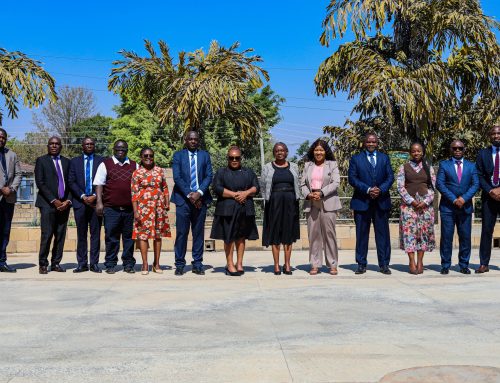
The exchange mission, funded through the European Union’s Technical Assistance for Information Exchange (TAIEX), brought together senior officials from the Ministry of Water Development and Sanitation, WARMA, and GIZ.
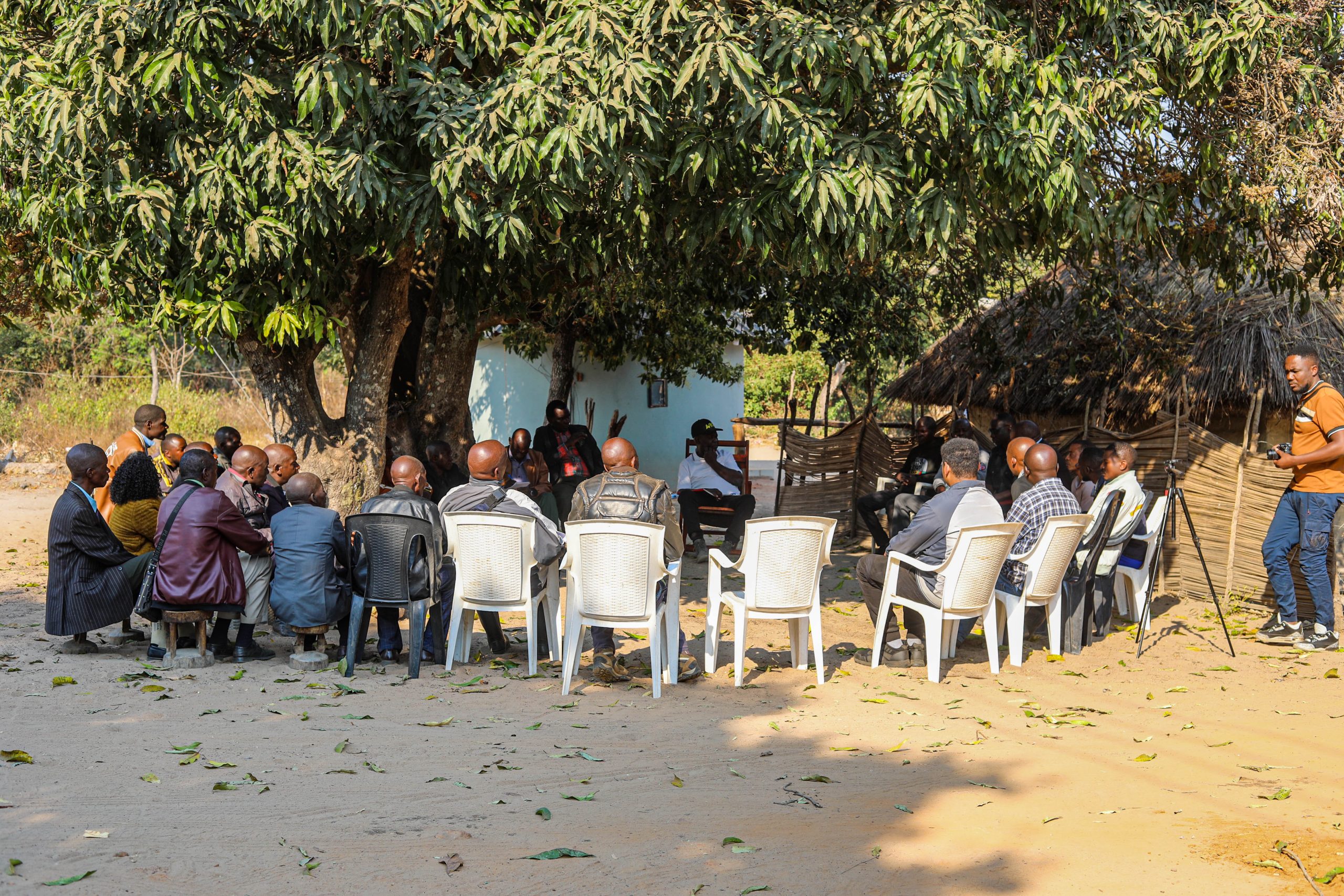
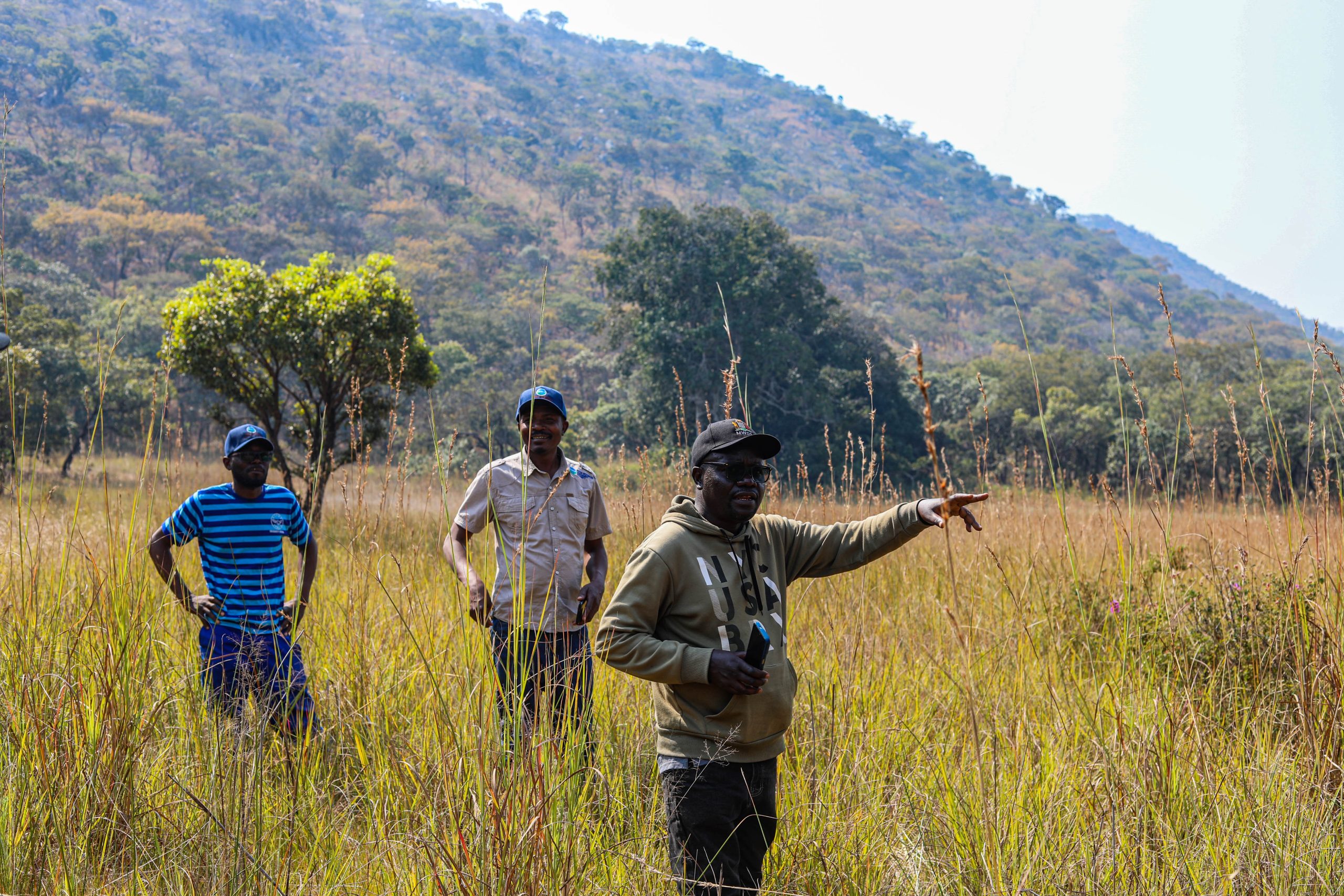
The initiative seeks to build institutional capacity in water allocation, groundwater protection, and dispute resolution, focusing on the Lower Kafue Sub-Catchment (LKSC).
Throughout the study visit, the Authority engaged with key Finnish entities, including the Ministry of Agriculture and Forestry, the Ministry of Environment, and the Geological Survey of Finland (GTK).
Technical meetings focused on Finland’s automated hydrological forecasting networks, localized environmental regulations, and its structured, six-year River Basin Management Planning cycle.
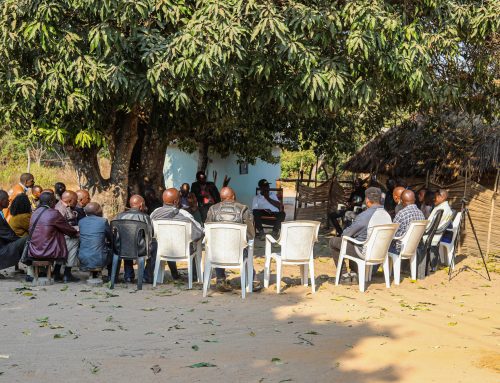
WARMA delegates observed how Finland utilises inclusive, transparent public consultations within its planning cycles to align competing industrial, agricultural, and domestic water demands, thereby preventing legal and communal disputes before they manifest.
The technical team also addressed groundwater sustainability and toured specialized hydrogeological research installations to observe the application of isotope analysis in tracking groundwater paths and mapping aquifer recharge zones.
Furthermore, a dedicated conference in Lahti exposed participants to Managed Aquifer Recharge (MAR) infrastructures designed with operational lifespans exceeding a century.
Following the mission, technical experts have proposed a series of strategic recommendations to upgrade Zambia’s current water management frameworks.
Key priorities include the phased automation of WARMA’s nationwide hydrological monitoring stations to enable real-time data transmission, alongside the adoption of Multi-Criteria Decision Analysis (MCDA) tools to introduce more objective, data-driven methodologies during the water permitting and dispute arbitration processes.
The insights and technical strategies gathered from the Finnish model are expected to guide WARMA and the Ministry of Water Development and Sanitation as they finalize tailored water dispute prevention and resolution guidelines designed for the unique climate and regulatory landscape of Zambia.
The Authority continues to collaborate with its stakeholders in sustainably managing and protecting Zambia’s water resources.

Leave A Comment