
Protecting critical water resources requires more than technical assessments. It requires engaging the people who understand and depend on these resources.
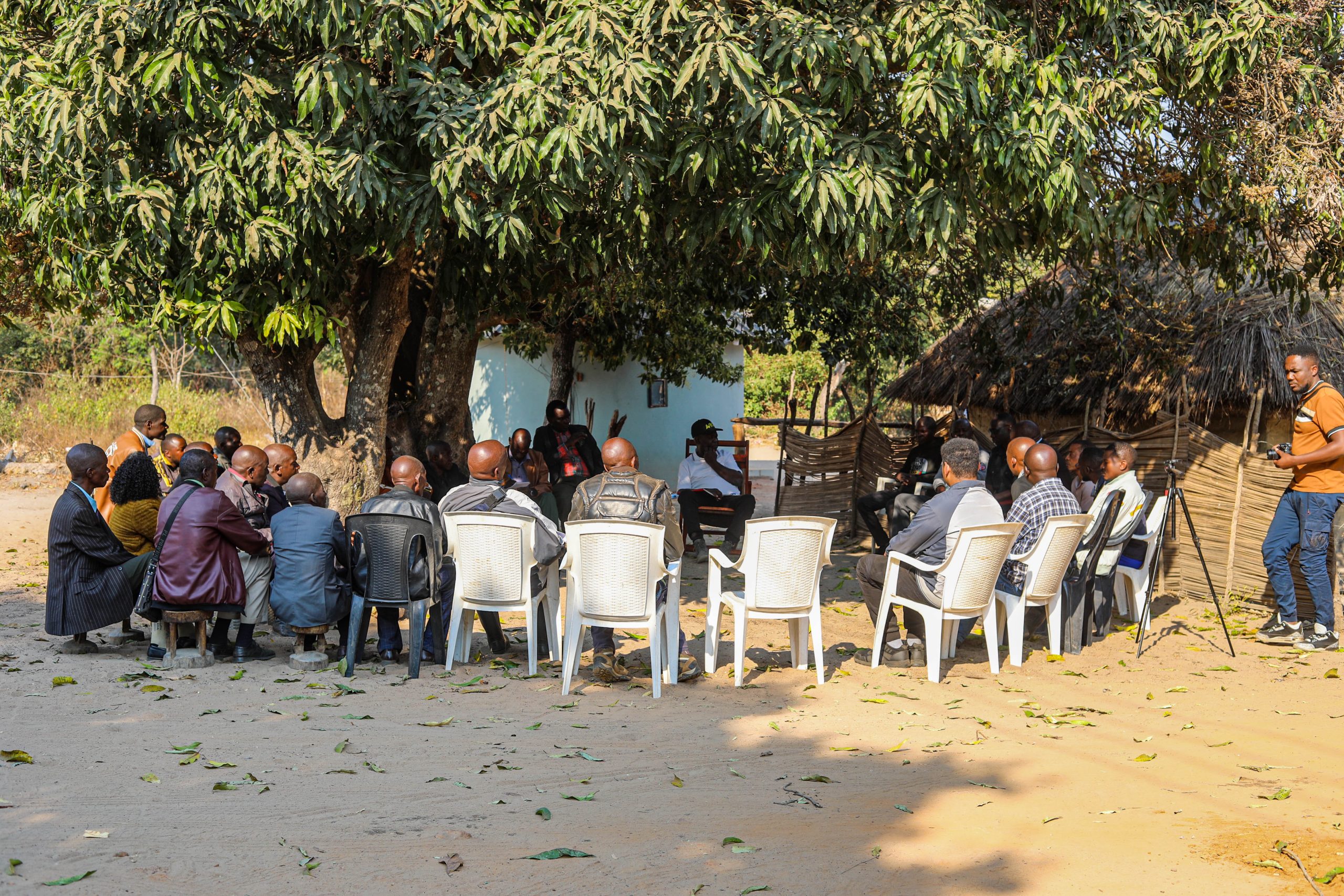
The Water Resources Management Authority (WARMA) has engaged His Royal Highness Chief Shaibila of the Lala people and his headmen at Kampoko Palace in Mkushi District as part of the ongoing process to map and protect critical water sources in the North Swaka and Mkushi headwaters.
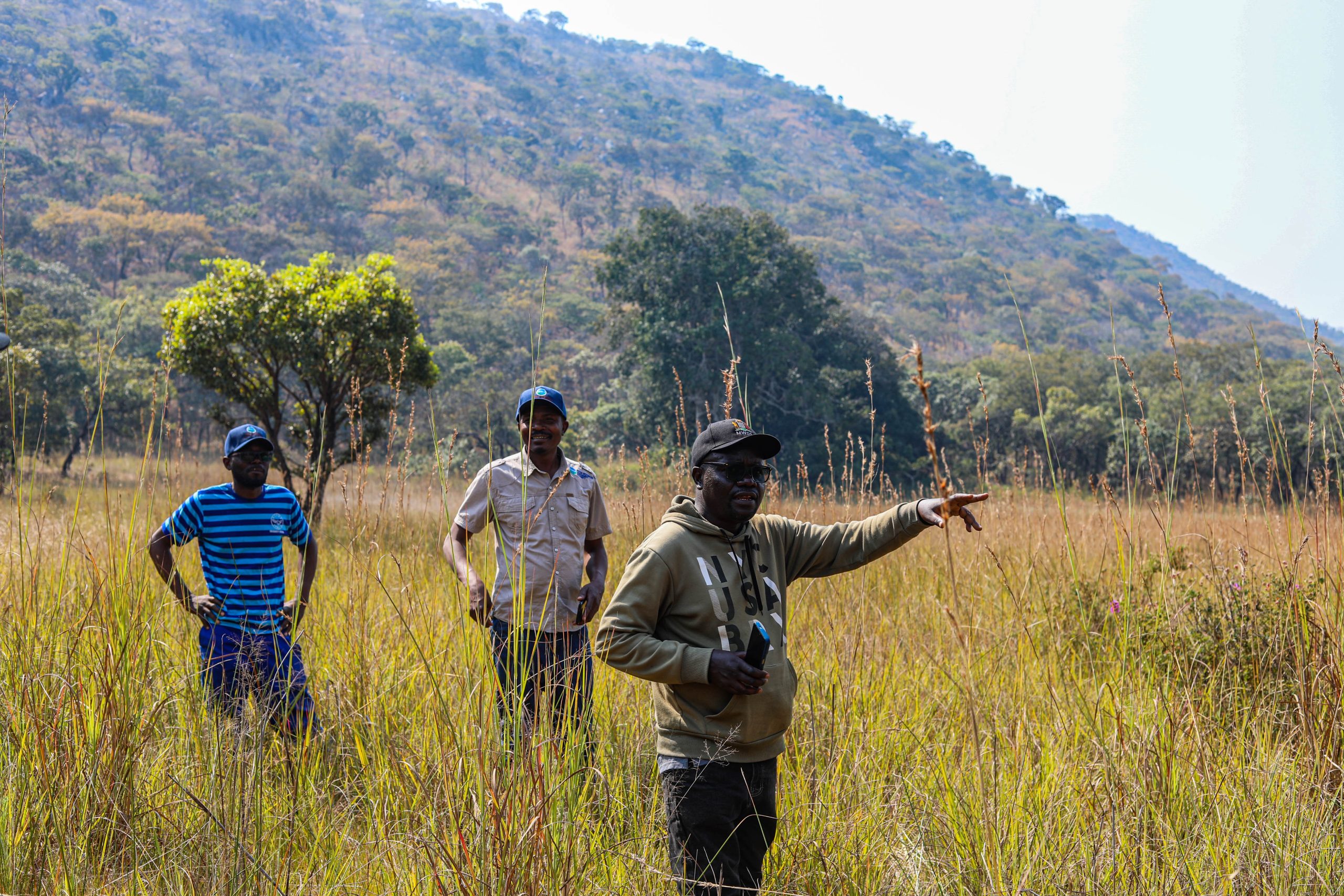
The engagement provided a platform for WARMA to share information on the Water Resource Protection Areas mapping process, listen to local knowledge, receive feedback on emerging water resource challenges and understand community perspectives on areas requiring protection.
The North Swaka and Mkushi headwaters feed rivers including the Lunsemfwa and Mkushi Rivers, which support agriculture, hydropower, ecosystems and the livelihoods of downstream communities.
Their protection therefore requires the participation of traditional leadership, communities and other stakeholders who have a direct connection to these resources.
His Royal Highness Chief Shaibila reaffirmed the importance of protecting river buffer zones and encouraged his subjects to seek WARMA’s guidance on water resource matters.
The engagement reflects WARMA’s commitment to a more participatory approach to water resources management, where stakeholder knowledge and feedback help inform planning, decision-making and the implementation of water resource protection measures.



Leave A Comment