
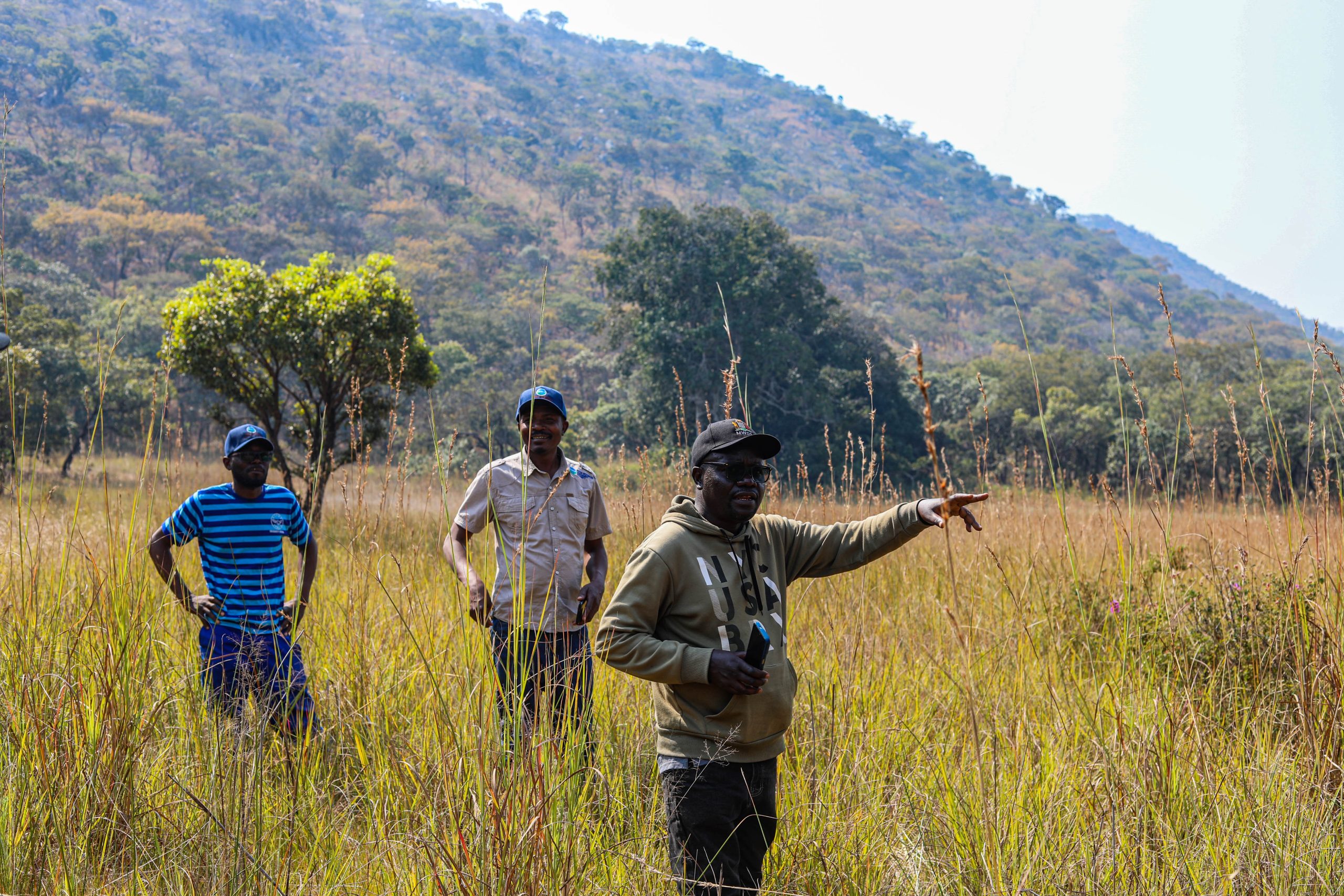
As part of its nationwide programme to identify, map and protect critical water sources, the Water Resources Management Authority (WARMA), through the Luangwa Catchment Office, is currently undertaking Water Resource Protection Areas (WRPAs) mapping, stakeholder engagements and community sensitisation in North Swaka and the Mkushi headwaters in Central Province.
These headwaters feed the Chibefwe, Mkushi and Musofu Rivers, which form part of the Lunsemfwa River system that supports communities, agriculture, hydropower and other economic activities.
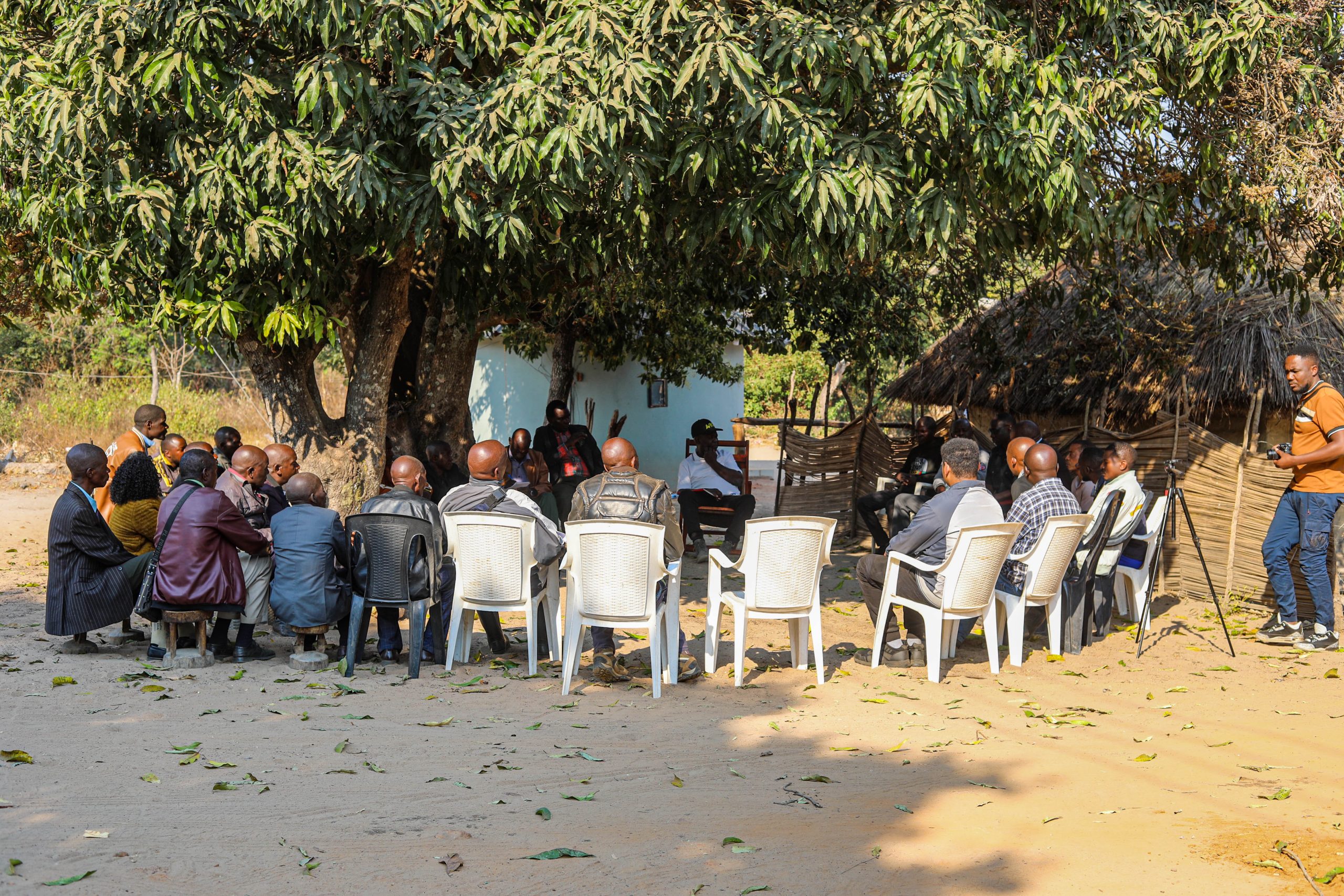
Working with the Forestry Department, North Swaka Trust and local communities, WARMA is inspecting critical water sources, engaging stakeholders and sensitising communities on the importance of protecting rivers, forests and catchments from deforestation, encroachment, riverbank cultivation, illegal mining and pollution.
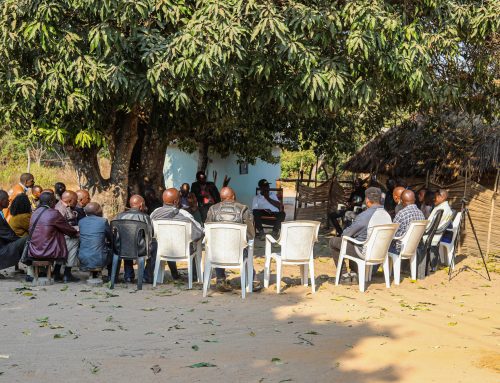
The engagements are an important part of the process because protecting water resources requires more than technical assessments. It requires communities, traditional leaders, government institutions, water users and other stakeholders to understand the value of these resources and play their part in protecting them.
The field exercise has also identified growing environmental pressures, including gold processing activities along the Changwena River, where WARMA directed illegal miners to take measures to prevent mining residues from entering the water system.
This work is part of a continuous nationwide programme being implemented across WARMA’s catchments to identify and strengthen protection of water resources that are critical to Zambia’s water security.
Mapping is not simply about drawing boundaries on a map. It is about knowing what we need to protect, understanding the threats, engaging the people who depend on these resources and putting measures in place before damage becomes irreversible.
Protect the source. Protect the river. Protect our future. Be part of the solution. Protect water sources in your community, avoid activities that degrade or pollute them, and report threats to the relevant authorities.



Leave A Comment